How to Silence a Noisy Garage Door in Ottawa (5 Easy Fixes)
That grinding, squeaking, or rattling sound isn't just annoying — it's often your garage door telling you something. Here's how to quiet it down.
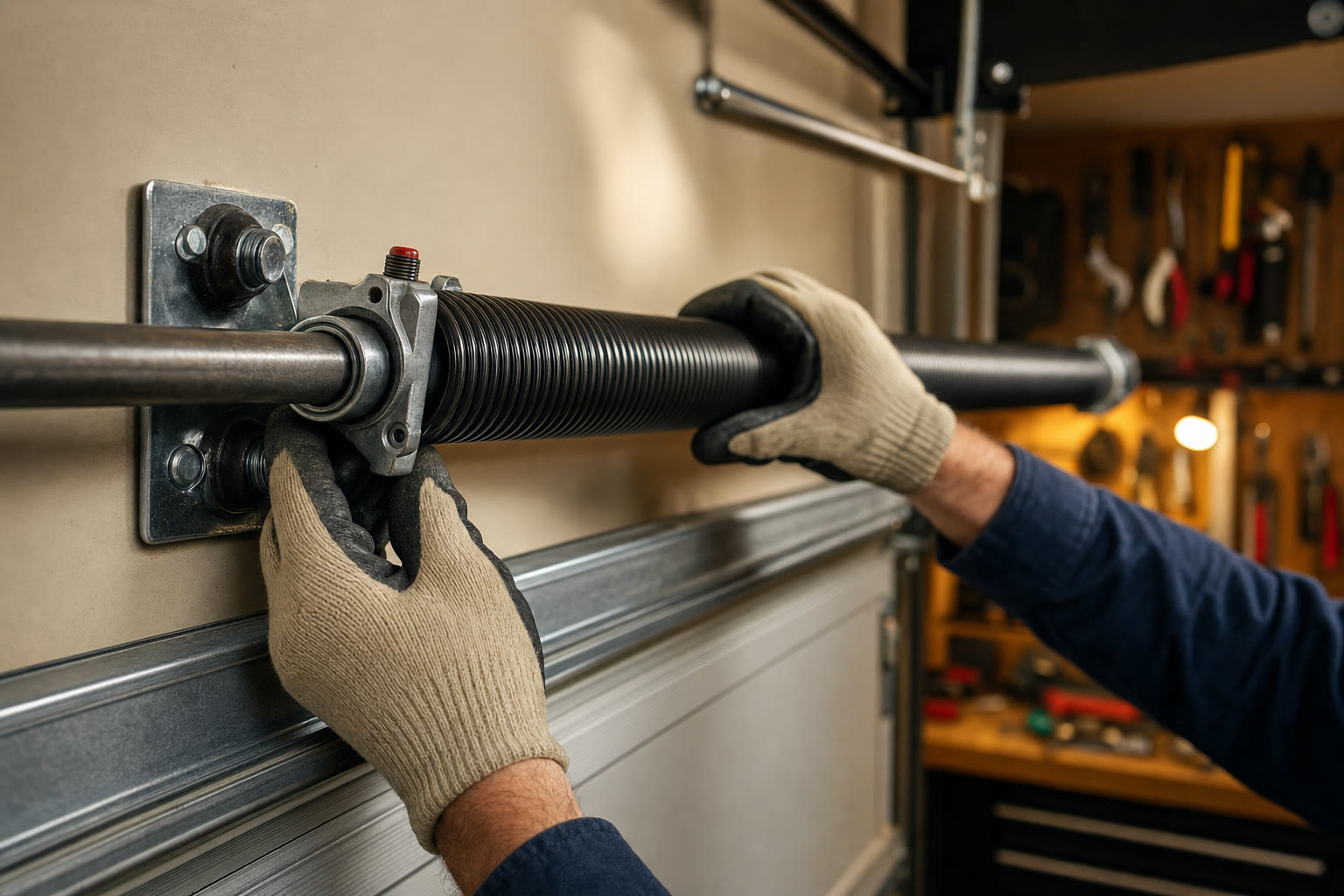
Introduction
A noisy garage door has a way of making itself known at the worst times — early mornings when the rest of the house is still asleep, or late nights coming home after a shift downtown. For a lot of Ottawa homeowners, the noise gradually creeps up over months until one day it's impossible to ignore, whether it's a sharp squeak, a deep rumble, or an unsettling grinding sound.
The good news is that most noisy garage doors are dealing with a handful of common, fixable issues rather than anything catastrophic. Ottawa's climate plays a role here too — cold temperatures thicken lubricant and cause metal parts to contract, both of which tend to make an already-noisy door even louder in the depths of winter.
Here are five practical fixes to work through, roughly in order of how often they solve the problem.
Fix 1: Lubricate Everything That Moves
Why This Is Usually the First Fix
Dry or thickened lubricant on rollers, hinges, and tracks is, by a wide margin, the most common cause of a noisy garage door. As grease ages and gets exposed to Ottawa's temperature swings, it loses its effectiveness and stops reducing friction the way it should.
What to Use
A silicone- or lithium-based garage door lubricant works best. Avoid heavier oils and grease not designed for this purpose, since they attract dust and grit — including the salt and sand tracked in during winter — which can actually make noise worse over time.
Where to Apply It
Focus on the roller bearings, hinges between panels, the torsion spring itself, and the tracks. A light, even application goes further than a heavy dousing.
Fix 2: Tighten Loose Hardware
Why Hardware Loosens Over Time
Every open-and-close cycle creates small vibrations that gradually loosen nuts, bolts, and brackets. Over months and years, this adds up to noticeably looser hardware, which rattles and clangs during operation.
How to Address It
With the door closed and the opener disconnected, go around with a socket wrench and snug up any visibly loose bolts, particularly around the track brackets and hinges. Don't over-tighten, which can create its own set of problems.
Fix 3: Replace Worn Rollers
Signs Your Rollers Need Replacing
If your rollers are original to an older door, or if you can see flat spots, cracking, or excessive wear on them, they're likely contributing significantly to the noise, especially a rumbling or grinding sound during operation.
Nylon vs. Steel Rollers
Steel rollers are durable but tend to be noisier by nature. Many Ottawa homeowners find that switching to nylon rollers substantially quiets their door's operation, since nylon absorbs vibration better than metal-on-metal contact.
Fix 4: Check and Adjust Track Alignment
How Misalignment Causes Noise
Tracks that have shifted slightly out of alignment force rollers to grind or catch as they travel, creating noise and accelerating wear on both the tracks and rollers themselves.
What to Look For
Visually inspect the tracks for gaps between the track and the rollers, or areas where the track doesn't run perfectly parallel to the door's path. Minor adjustments can sometimes be made with a wrench, but significant misalignment is best handled by a professional to avoid making things worse.
Fix 5: Address Spring and Opener Noise Separately
Springs
A creaking or popping sound specifically from the area above the door, especially if it's a new sound, may point to spring wear rather than a lubrication issue. This is worth having checked, particularly given how cold weather accelerates spring problems.
Chain-Drive Openers
If the noise seems to come specifically from the opener unit rather than the door itself, a chain-drive opener naturally makes more noise than a belt-drive model. Lubricating the chain helps, but if noise has increased noticeably, it may indicate the chain needs tensioning or the opener is nearing the end of its service life.
Isolating the Opener from the Structure
Installing vibration-isolating hardware between the opener and the ceiling framing can meaningfully reduce noise transfer into living spaces above or adjacent to the garage — a popular upgrade for homes where the garage sits below a bedroom.
Why Ottawa Winters Make Noise Worse
Cold-thickened lubricant, contracted metal components, and the added resistance from ice or snow all combine to amplify noise that might be barely noticeable in summer. If your door has always been a little noisy but becomes dramatically louder every winter, that's a sign the underlying issue is being aggravated by the cold rather than caused by it.
Frequently Asked Questions
How often should I lubricate my garage door to prevent noise?
A thorough application before winter, with a touch-up partway through the cold season, is a good baseline for most Ottawa homes.
Is a noisy garage door dangerous, or just annoying?
Often it's just annoying, but new or worsening noise can also be an early warning sign of spring, cable, or roller wear, so it's worth investigating rather than ignoring indefinitely.
Will replacing rollers alone fix most noise problems?
Combined with proper lubrication, roller replacement resolves the majority of chronic noise complaints, especially on older doors with original steel rollers.
Can a noisy opener be fixed without replacing the whole unit?
Often yes — tensioning a chain, lubricating moving parts, or adding vibration isolation can significantly reduce noise without a full opener replacement, unless the unit is quite old or failing in other ways.
When to Call a Pro
If you're in Ottawa or the surrounding area and can't quiet down a noisy garage door on your own, reach out to 613 Garage Door Repair. Call (613) 709-2979 — we're open 7 days a week, 7 AM to 9 PM, with 24/7 emergency service across Ottawa, Kanata, Nepean, Orléans, Barrhaven, and beyond.
Need help with your garage door?
613 Garage Door Repair is open 7 days a week, 7 AM–9 PM, with 24/7 emergency service across Ottawa and the surrounding region. Call (613) 709-2979 for same-day service and a free written estimate.