Garage Door Weather Seals: The Complete 2026 Replacement Guide
A worn weather seal is one of the smallest garage door components — and one of the most important for surviving an Ottawa winter.
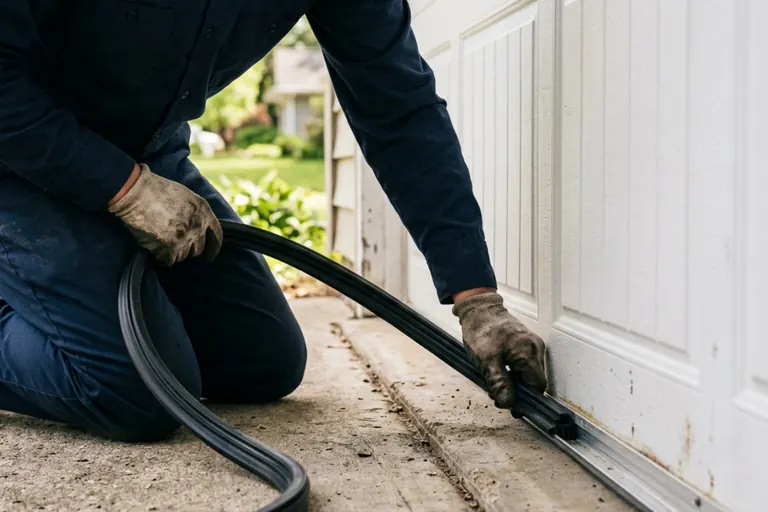
Introduction
When people think about garage door problems, they usually picture broken springs or malfunctioning openers. Weatherstripping rarely gets the same attention, yet it plays an outsized role in how comfortable, energy-efficient, and protected your garage stays through an Ottawa winter. The seals along the bottom, sides, and top of your door are the first line of defense against snow, wind-driven cold, and moisture.
Given how extreme our seasonal swings are — from humid summer afternoons to bone-dry, sub-zero stretches in January — Ottawa homes place unusual demands on garage door seals. Rubber and vinyl weatherstripping naturally degrades under UV exposure, temperature cycling, and physical wear, and a seal that looked fine last spring might be cracked and ineffective by the time the snow starts flying.
This guide covers the different types of seals, how to tell when it's time to replace them, and what to expect from the process.
Types of Garage Door Weather Seals
Bottom Seals (Astragal)
The bottom seal, often called an astragal, sits along the base of the door and makes contact with the garage floor. It's the hardest-working seal on the door, taking the brunt of moisture, cold air, snow, and debris every time the door closes.
Side and Top Seals
These seals sit within the door frame along the sides and top of the door opening, blocking drafts and moisture from creeping in around the door's edges. They're less exposed to direct wear than the bottom seal but still degrade over time from temperature swings.
Panel Seals (Between Sections)
Sectional garage doors have small seals between each horizontal panel section, which help prevent air infiltration at these joints. These are less commonly replaced individually but are worth inspecting during a full seal replacement.
Threshold Seals
Some Ottawa homeowners choose to add a separate threshold seal on the garage floor itself, which pairs with the bottom door seal to create a more complete barrier against water intrusion, especially useful during spring melt.
Signs Your Weather Seals Need Replacing
Visible Cracking or Splitting
Rubber and vinyl seals naturally become brittle with age and UV exposure. Once you see cracks or splits, the seal has already lost much of its effectiveness.
Daylight Visible Around the Door's Edges
If you can see daylight peeking through around the door frame when it's closed, cold air and moisture are getting through just as easily.
Drafts or Cold Air Near the Garage
If the area near your garage door feels noticeably colder than the rest of the space, or you notice drafts even with the door fully closed, worn seals are a likely culprit.
Water or Snow Intrusion
Puddles of melted snow or visible moisture just inside the garage door line, especially after a storm, point to a bottom seal that's no longer creating an effective barrier.
Seals That Feel Hard or Stiff Rather Than Pliable
A healthy seal should have some flexibility. If yours feels stiff, brittle, or crumbly to the touch, it's due for replacement regardless of how it looks visually.
Why 2026 Is a Good Time to Prioritize Seal Replacement
Seal Materials Have Improved
Modern weatherstripping options offer better cold-weather flexibility and longevity than older vinyl seals common on doors installed years ago. If your seals haven't been replaced in a long while, newer materials may perform noticeably better through an Ottawa winter.
Energy Costs Make Efficiency More Valuable Than Ever
With heating costs an ongoing concern for Ottawa households, a properly sealed garage door — especially one attached to living space — meaningfully reduces heat loss, easing the load on your furnace during our coldest months.
Prevention Is Cheaper Than Water Damage
Water intrusion from a failing bottom seal can lead to damage to stored items, concrete deterioration from repeated freeze-thaw cycling, and even mold concerns in humid months. Replacing a seal proactively is far less costly than addressing water damage after the fact.
What the Replacement Process Involves
Measuring for the Correct Seal Type and Size
Garage door seals come in different track profiles and widths. Getting the right match for your specific door model ensures a proper seal and easier installation.
Removing the Old Seal
Old seals are typically slid or pried out of their retaining track, which can be more difficult if the material has hardened or partially bonded to the track over time.
Installing and Trimming the New Seal
The new seal is fed into the track and trimmed to the exact width of the door, then tested to confirm it makes consistent contact along the full width when the door closes.
Testing the Full Seal System
A thorough job checks not just the bottom seal but the side and top seals too, since a gap in any one section undermines the benefit of replacing the others.
Frequently Asked Questions
How often should garage door weather seals be replaced?
There's no fixed timeline since it depends on exposure and material quality, but many Ottawa homeowners find they need replacement every few years given our climate's extremes. Visible cracking or drafts are the real signal, regardless of age.
Can I replace a bottom seal myself?
It's a reasonably approachable DIY task for many homeowners, provided you get the correct seal profile for your track. Side and top seals are a bit more involved since they're integrated into the door frame.
Will new seals actually lower my heating bill?
For garages attached to living space or used as workshops, sealing out drafts can make a noticeable difference in comfort and can modestly reduce heating costs, though results vary by home.
Do seals need to be replaced in every season, or is there a best time?
Fall, before the deep cold sets in, is the ideal time to inspect and replace worn seals in Ottawa, so your garage is properly sealed before winter's harshest stretch.
When to Call a Pro
If you're in Ottawa or the surrounding area and need help with garage door weather seals, reach out to 613 Garage Door Repair. Call (613) 709-2979 — we're open 7 days a week, 7 AM to 9 PM, with 24/7 emergency service across Ottawa, Kanata, Nepean, Orléans, Barrhaven, and beyond.
Need help with your garage door?
613 Garage Door Repair is open 7 days a week, 7 AM–9 PM, with 24/7 emergency service across Ottawa and the surrounding region. Call (613) 709-2979 for same-day service and a free written estimate.